
Start with why
What do we
exist to do?
A shared purpose gives the team a reason to work together. It goes beyond a target on a spreadsheet.
A question for your team
Would we all give the same answer?
Culture and leadership development.
Put into practice, with your team.

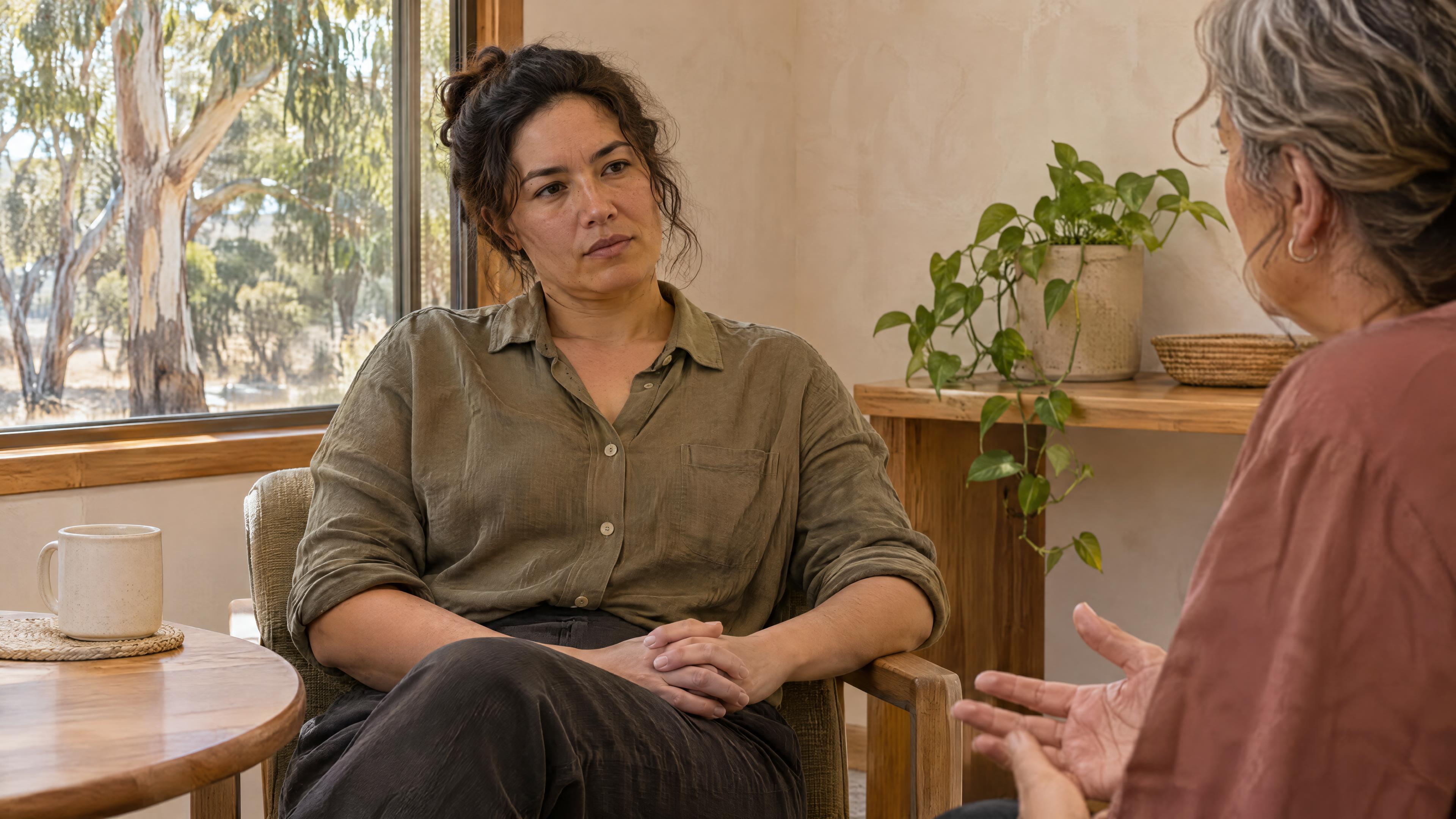
K.I.N.D. Knowing Is Not Doing.
Across business, education, government and sport. The work is human. The experience runs deep.




Dynamics before mechanics. A common purpose, strong relationships and agreed behaviours create the conditions for genuine conversations.
Start with why
A shared purpose gives the team a reason to work together. It goes beyond a target on a spreadsheet.
A question for your team
Would we all give the same answer?
Make space for trust
Strong professional relationships make useful feedback possible. Put time into understanding the people beside you.
A question for your team
Can we challenge each other and still show care?
Agree how to act
A team Trademark translates values into agreed behaviours. People can then model, reward and challenge what the team has chosen.
A question for your team
What would someone actually see us doing?
Put it into practice
Genuine conversations turn the foundations into action. Reinforce what helps the team and challenge what holds it back.
A question for your team
Which conversation will help us improve?
Start with a common purpose.
Read about the Leading Teams modelChoose the world you work in.

Shadforth reports that its annual client intake doubled during its work with Leading Teams.
“Leading Teams helped us unlock the next level of discretionary effort and enabled us to move from good to outstanding.”
Terry DillonCEO, Shadforth Financial Group
Read the Shadforth storyMelton describes a multi-year culture rebuild, working through disengagement, staff turnover and fractured leadership.
“Once you get the dynamics right the mechanics take care of themselves.”
Kath SobeyPrincipal, Melton Secondary College
Read the Melton storyBrisbane City Council describes how work on relationships and expectations helped its teams respond to the 2022 floods.
“The groundwork we laid with Leading Teams meant we had real relationships, clear expectations, and the ability to perform under pressure.”
Tash TobiasFormer Executive Leader, Lifestyle and Community Services, Brisbane City Council
Read the government storyThe Lions' story begins in 2017, with Chris Fagan and a focus on trust, accountability and leadership.
“I wanted an environment where people could come to work and learn, improve, enjoy themselves, and feel safe.”
Chris FaganHead Coach, Brisbane Lions Football Club
Read the Brisbane Lions story
Ray McLean saw that performance was about more than systems and skills. The quality of a team's relationships mattered.
Ray took a model born in the RAAF into Central District Football Club, piloting a different way to develop leaders and teams.
Ray McLean and Kraig Grime founded the company that became Leading Teams.
After starting with Leading Teams in 2003, the Sydney Swans won the 2005 premiership. The work reached far beyond the scoreboard.
“A flaw I see in many team cultures is that their ‘purpose’ is actually just a strategic outcome dressed up as purpose.”
Jake BridgesLeading Teams
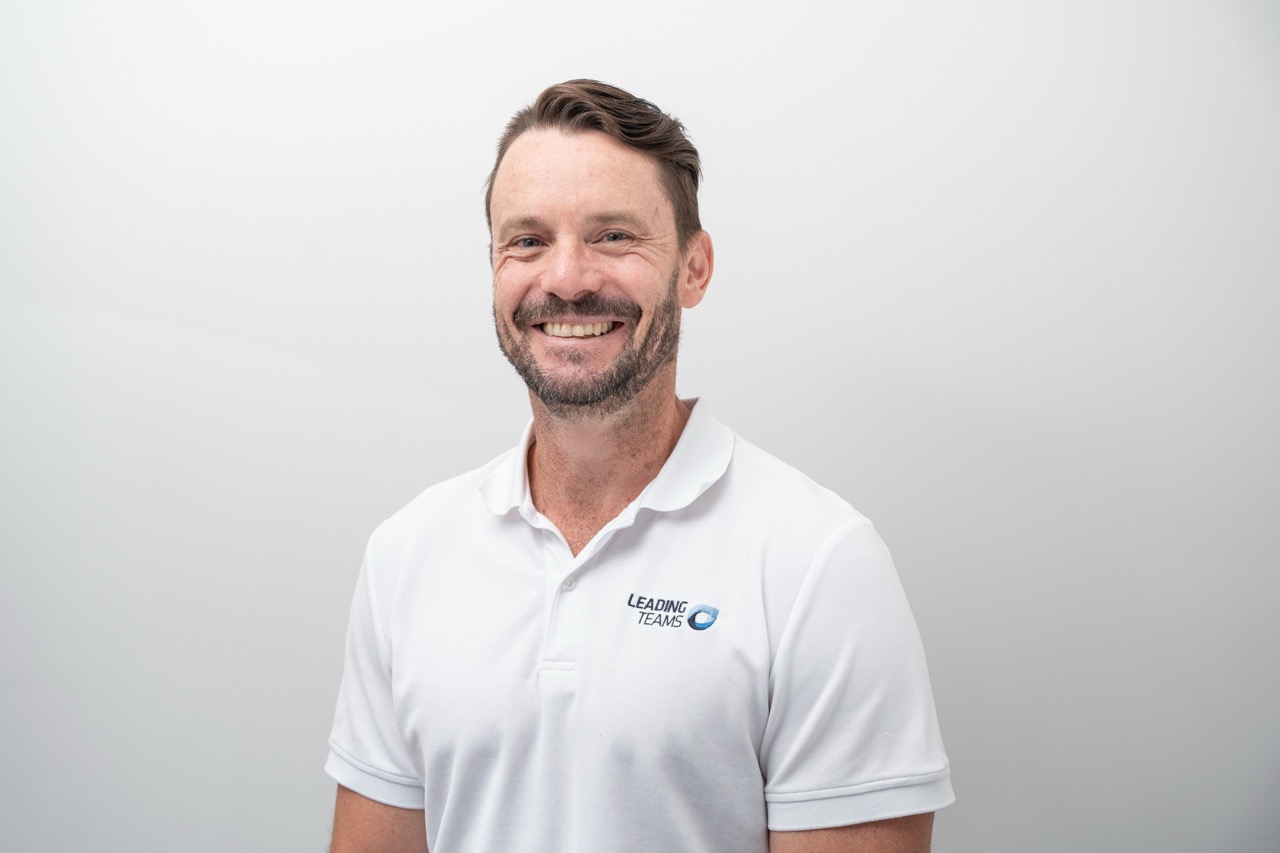
A short check on where your team stands, where the gaps are and what to work on next.
Culture changes in what happens next.
The audit takes about 5 to 10 minutes. Results arrive by email, with a follow-up from the Leading Teams team about a week later.